
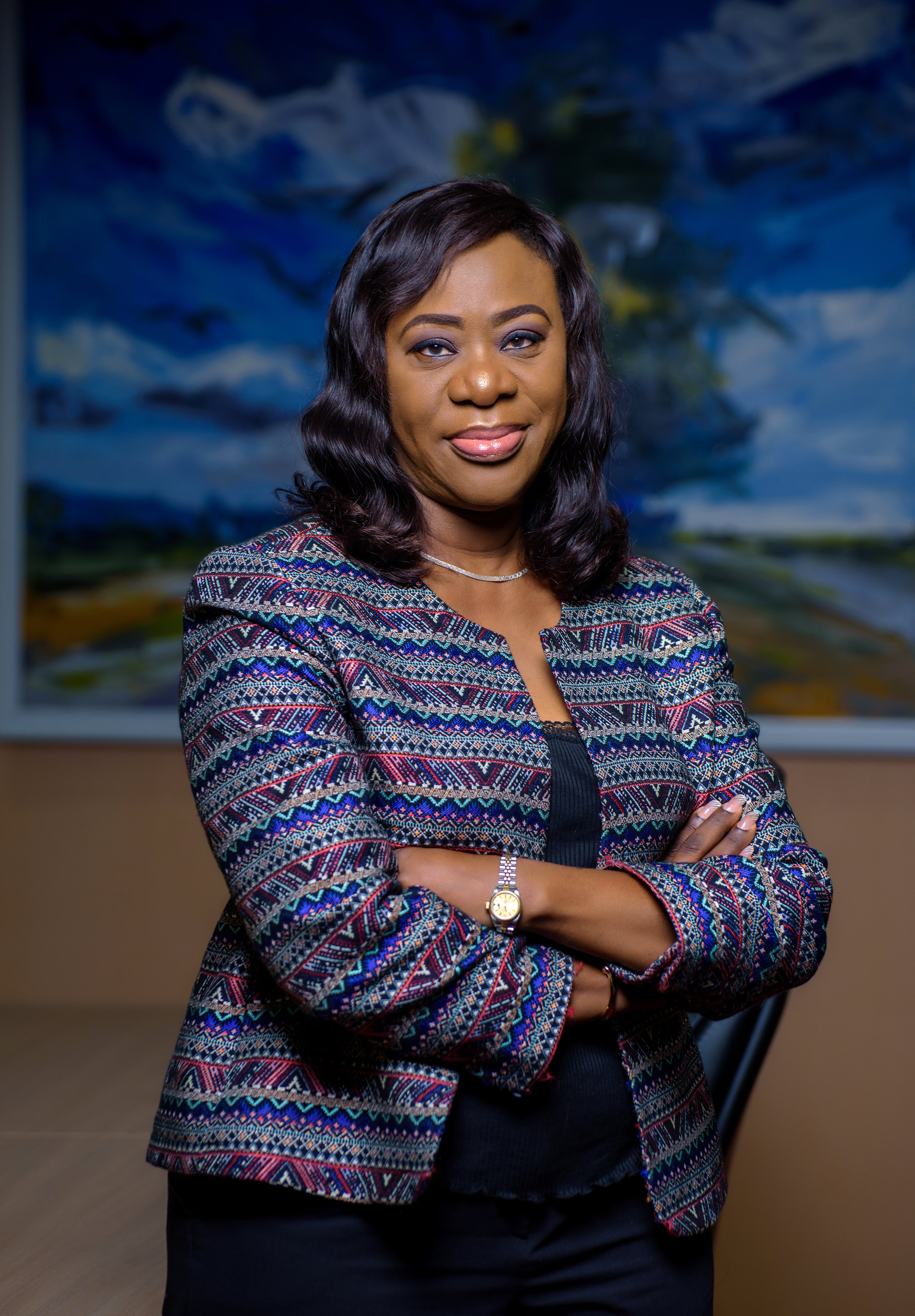
Name of Arbitrator:
‘Funke Adekoya SAN
Education, awards, selected publications:
Education
LL.B (Hons.), University of Ife 1974: Second Class Upper & Faculty prize winner
Call to Bar Certificate – Nigerian Law School – 1975
LL.M, Harvard Law School, Boston, Mass, USA 1977
Awards
Senior Advocate of Nigeria – 2001
Chartered Arbitrator – 2006
Publication
The Public Policy Defence to Enforcement of Arbitral Awards: Rising Star or Setting Sun?’ in BCDR International Arbitration Review 2, no. 2 (2015): 203–222.
Countries qualified to practice:
Nigeria [1975] and United Kingdom [2004]
Language(s):
English
Name of law firm or institution:
ÆLEX, 4th floor, 1 Kingsway road, Falomo, Ikoyi, Lagos, Nigeria.
Area(s) of specialisation:
Corporate disputes, energy disputes, investment disputes
Institutional affiliation(s):
- Board member, African Users Council, London Court of International Arbitration [LCIA]
- Vice President, International Council for Commercial Arbitration [ICCA]
- Vice President, ICC Court of Arbitration (2015-2018)
What skills do you think are important for an arbitrator to have?
In addition to technical expertise, the most important attributes an arbitrator must have are good time management and good ‘people’ skills; the ability to act in a collegiate manner.
What challenges do you think are confronting African arbitrators?
The major problem confronting African arbitrators is a lack of visibility; we have not successfully projected the skills and knowledge that we have onto the world stage. We need to write and publish more articles in journals.
How effective are the arbitration laws/institutions in Africa?
Most African countries have based their laws on the UNCITRAL Model Law on Arbitration; as such the laws are effective in determining arbitral disputes. Most of our institutions however focus on domestic arbitration. Staff needs to be more exposed to international arbitration so that they in turn can provide more training and information in respect of international arbitration to potential users.
How would you rate the judicial support for arbitration in Africa? How effective is the support?
There is room for improvement in Africa’s judicial systems. The perceived lack of judicial support for arbitration in Africa is mostly due to the delays in court proceedings in many African countries resulting from a weak judicial infrastructure which impacts upon all matters before the courts, not only cases relating to arbitral disputes and proceedings. In addition however, Africa judges are often times not sufficiently exposed to arbitration principles and the concept of arbitration as an ADR method in which party autonomy is supreme. They see arbitration proceedings before them as an opportunity to open up the totality of the proceedings and ‘review’ the award on its merits.
How can arbitration in Africa be improved?
The relationship between arbitration and the judicial system must be explained to our judges through training and education. This would improve the use of the judiciary as a support for the arbitral process, and enhance the chances of an African country being chosen as the seat of the proceedings. Improvements in the provision of social amenities such as good hotels and transport links and the availability of administrative support such as transcription, translation and secretarial services will also improve the chances of African venues being chosen for the hearings of African related disputes.




As an Estate surveyor, I have fashioned my professional life style after inspirations from Mrs Funke adekoya(San). Being my role model, I follow her every bit of success STORy, and just WHEn you think she’s hit the peak of her career, something new springs up!
Am so proud of her, and I give her a thumbs up for being the African arbitration PERSONALITY of the month of July,2018.