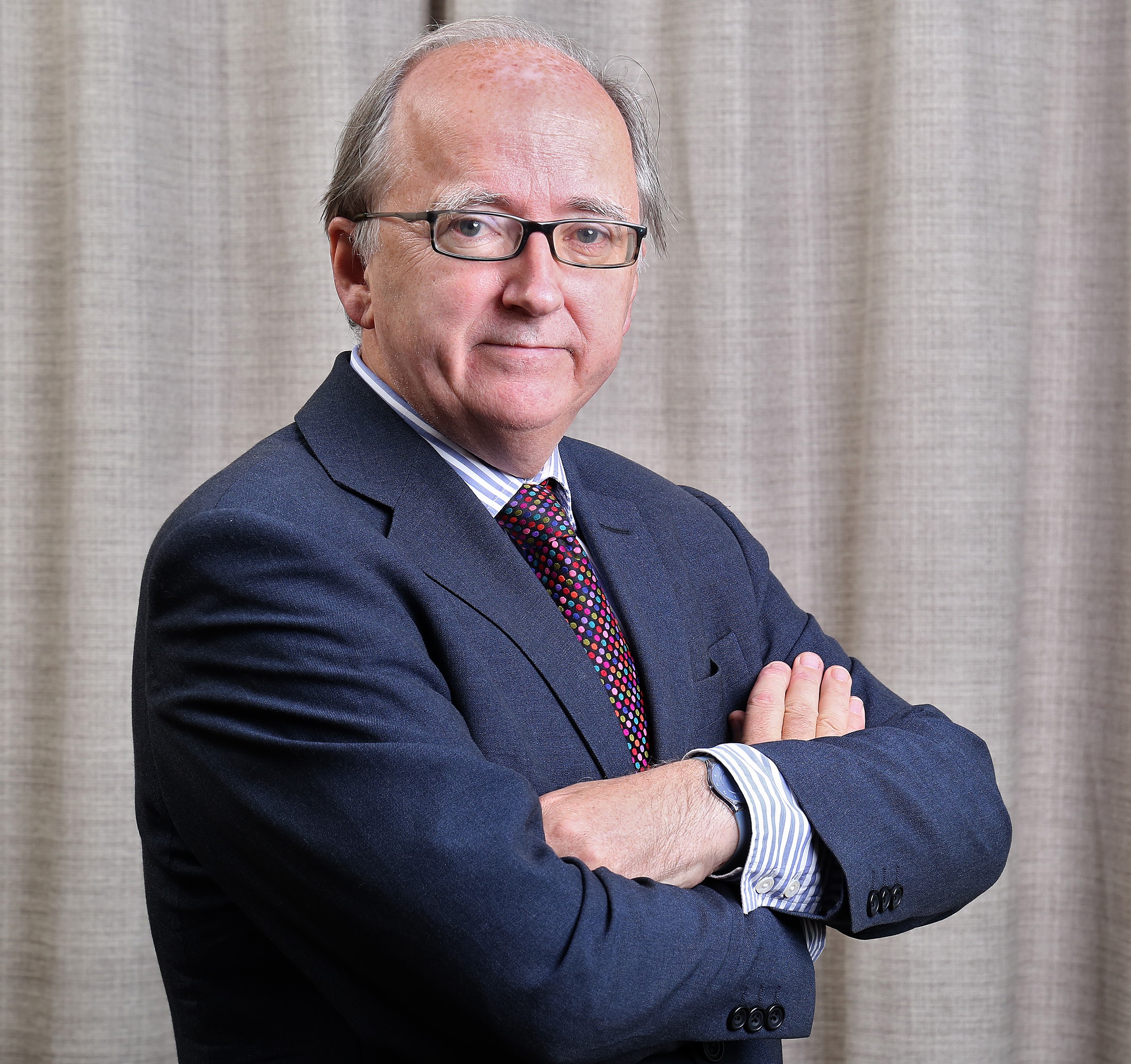
Name of arbitrator:
John Manners Miles
Education, awards and selected publications:
Education and Qualifications
- CEDR Accredited Mediator – 1993
- Solicitor of the Supreme Court of England and Wales – 1982
- History Master of Arts, University of Cambridge – 1976
Awards
- Highly Commended by the Law Society of England and Wales for Excellence in International Legal Services 2015
Publications
- Miles, J., Fagbohunlu, T. and Shah, K. Arbitration in Africa: A Review of Key Jurisdictions (Sweet & Maxwell 2016)
- Gunther J. Horvath and Stephan Wilske. Guerilla Tactics in International Arbitration (Walters Kluwer 2014)
Countries qualified to practice:
- England
- Wales
Language(s):
- English – very fluent
- French – reasonably proficient
- German – basic
Name of law firm or institution:
JMiles & Co. (www.jmilesarbitration.com)
Institutional affiliation(s):
- Board member of the Lagos International Arbitration Centre, Nigeria (2015 to date)
- Member of the Strathmore University Extractive Industries Committee, Kenya (2014 to date)
- East African member of the ICC Fraudnet Group (2014 to date)
- Chairman of the Indian National Bar Association, East Africa (2014 to date)
Please provide a brief background of yourself and experience working on disputes in Africa
I worked for 28 years as a lawyer in London with firms- Hill Dickinson, Denton Hall, Mayer Brown and finally, Hunton Williams as a partner where I led a team working on international arbitration and litigation. At Denton Hall I ran an office in Beijing (1989-98) and Cairo (1998 – 2000). I moved to South Africa in 2006 becoming Chairman of the law group Africa Legal Network (ALN) and Director / General Counsel of Artemis an ASX listed mining company. In 2010 I moved to Nairobi and set up JMiles & Co in 2012.
I have represented a number of governments including Tanzania, Nigeria, Ethiopia, Egypt, Sudan and Uganda in both arbitration and litigation. I have advised both governments and the private sector in relation to energy and natural resources, fraud, and investment dispute resolution. I have been appointed and acted as a commercial arbitrator under LCIA and UNCITRAL rules, and I have worked for Kenyan government regulator CMA on fraud and corruption matters.
What do you consider as the biggest challenge facing local firms and practitioners working on disputes in Africa? How do you think this challenge can be tackled?
The greatest challenge for African practitioners on international arbitration is gaining enough experience to be able to compete with the international law firms for work: this is a matter of time and focus with active secondments to firms doing this work. Some Egyptian and Nigerian firms are, in my view, on a good track to achieve the right level of experience.
How would you rate the judicial support for arbitration in Kenya?
The role of arbitration is well recognised by the courts in Kenya and stays of litigation will be granted where there is an arbitration provision. However, the current weakness lies in the slow moving nature of the court, which make the regulation of arbitral processes and enforcement of awards a stressful, uncertain and time consuming process.
With more African states acceding to the New York Convention, what are your thoughts on the enforcement trends in Africa?
There are two live issues: first, there has to be a general improvement in country court systems with efficient and fair judiciaries. Secondly, protection of domestic corporations and in particular, state corporations have to be managed to encourage foreign entities to invest and contract in the genuine belief that they are on a level playing field when it comes to disputes.
Taking into consideration your vast experience handling investment matters, how do you think arbitration can be used to encourage foreign investment in Africa?
African governments and parastatals in particular, have to allow foreign investors a choice of dispute resolution forum, whilst local arbitration centres establish themselves. CRCICA is probably the only arbitration dispute centre which is truly established on the continent for international disputes. AFSA is also a mature dispute centre, but South Africa legislation is not particularly foreign investor friendly.
As a leading arbitration practitioner in Africa, what advice do you have for young arbitration practitioners who see you as their role model?
Get practical hands on experience from wherever you can get it as well as some academic qualification in the field: practical experience can be gained by working for international corporations and both local and international law firms, which handle arbitration.